Driven by skyrocketing global energy import costs tied to the West Asia conflict, a major roll back of flagship cooking gas benefits triggers a fierce political showdown over the grassroots economy.
 Brajesh Mishra
• What happened: The central government has implemented a drastic reduction in the annual quota of subsidized LPG cylinder refills available to Ujjwala scheme beneficiaries, dropping the limit from nine to just four.
• The price math: The targeted subsidy remains fixed at ₹300 per cylinder. Following a June 7 price hike, Ujjwala households will pay an effective price of ₹642 for their first four refills against a retail price of ₹942 in New Delhi.
• The Ministry's defense: The Union Petroleum Ministry stated that the four-cylinder cap aligns with the actual average annual consumption of beneficiaries. They highlighted that global LPG import benchmarks have surged 46% since February due to West Asia logistics disruptions.
• The political backlash: Opposition leaders have aggressively weaponized the subsidy rollback, caustically labeling the revised initiative as the "Andhkaar Scheme" to challenge the government's broader narratives of economic growth.
• The deciding question: With state-owned oil marketing companies currently absorbing a loss of approximately ₹700 per cylinder, can the government maintain fiscal stability without triggering widespread rural voter alienation?
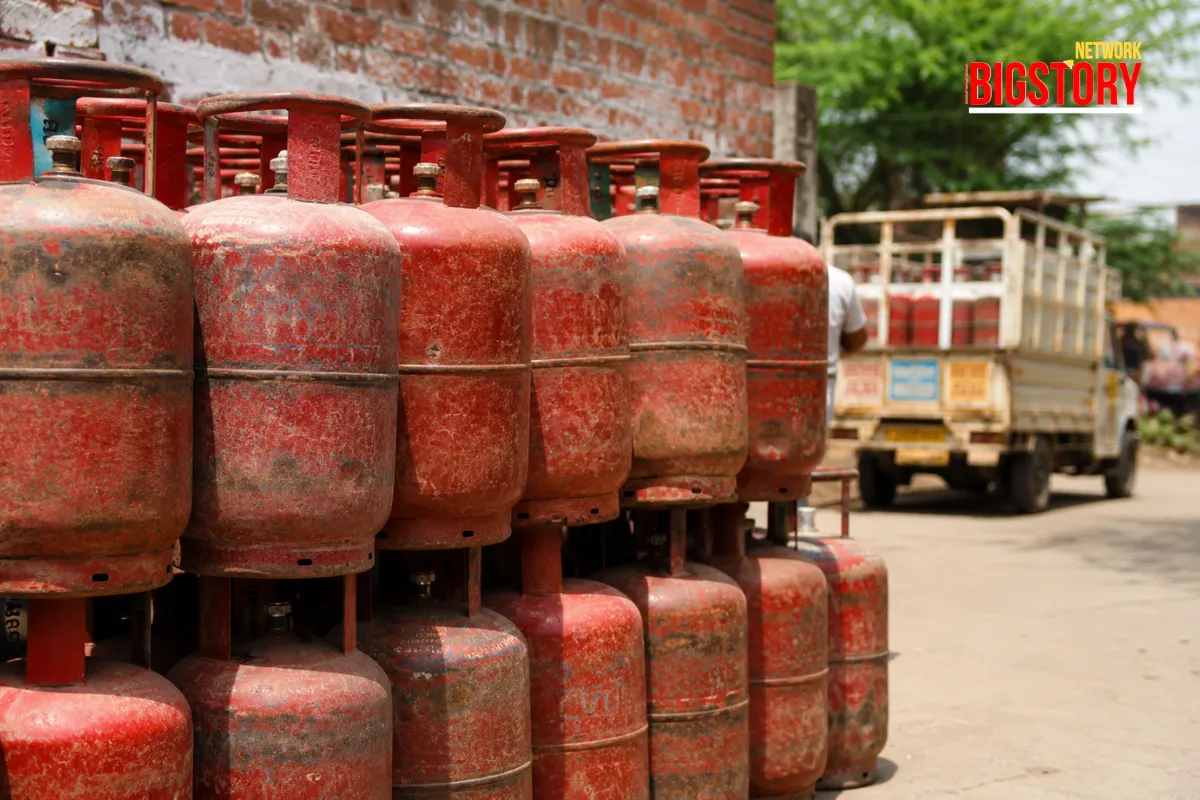
In a major rollback of frontline welfare support, the central government has slashed the number of subsidized cooking gas cylinders available to beneficiaries of the Pradhan Mantri Ujjwala Yojana (PMUY). As of this week, the annual quota has been drastically reduced from nine to just four cylinders.
The unexpected move, heavily influenced by surging global energy costs tied to the ongoing West Asia conflict, has immediately triggered a fierce political backlash. Opposition factions have seized on the decision, dubbing the revised initiative the "Andhkaar Scheme" as the administration moves to contain mounting fiscal pressures.
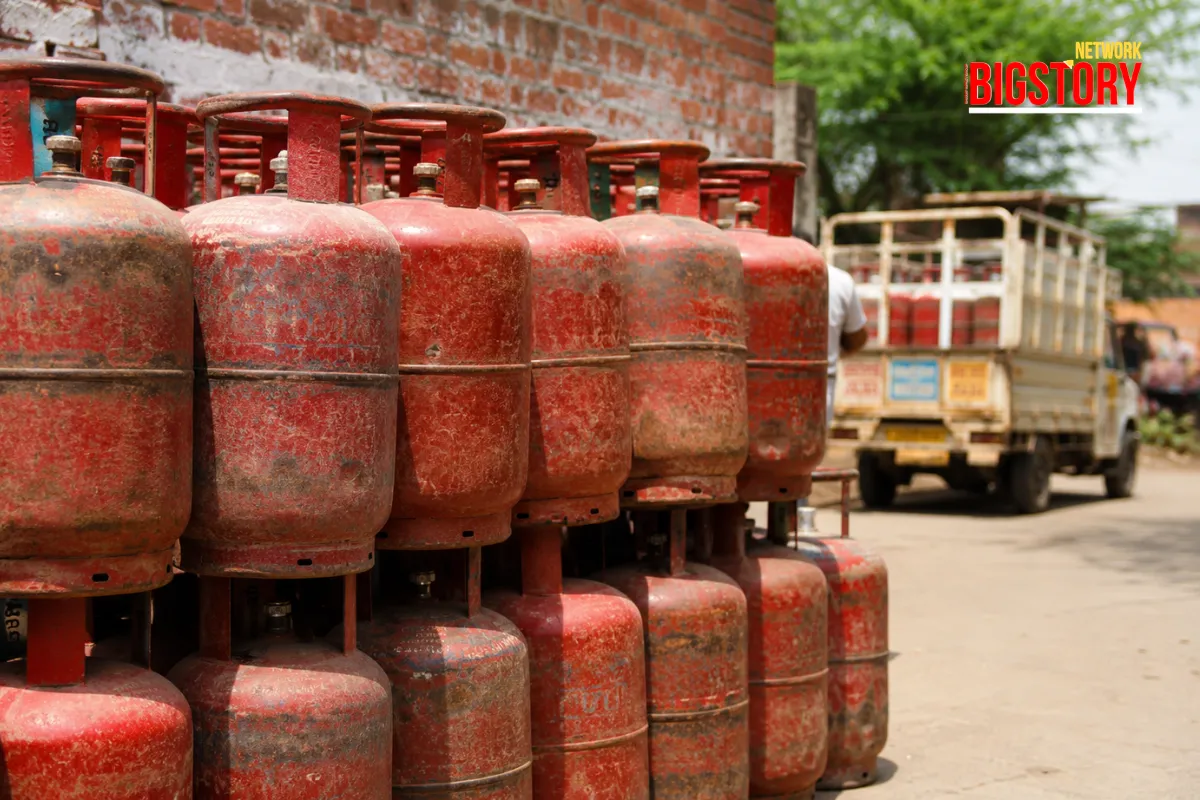
Beneficiaries of the flagship Ujjwala scheme, who were initially entitled to 12 subsidized cylinders a year before that figure was reduced to nine last year, will now only receive four subsidized 14.2-kg refills annually.
While the total availability has dropped, the government has maintained the targeted subsidy amount of ₹300 per cylinder. Following a recent price hike of ₹29 on June 7, a standard domestic cylinder currently costs ₹942 in New Delhi. With the ₹300 subsidy applied, eligible Ujjwala households will pay an effective price of ₹642 for their first four refills, facing full market pricing for any subsequent consumption.
The structural reduction reflects immense underlying fiscal strain. Since 2022, the government has spent approximately ₹52,000 crore on LPG subsidies alone to shield vulnerable households from international market volatility.
The Union Petroleum Ministry quickly moved to defend the policy adjustment, arguing that the new cap is strictly data-driven rather than purely an austerity measure. Additional Secretary Praveen Khanooja stated that the average annual consumption among the 10.55 crore PMUY beneficiaries stands at about four to five cylinders, meaning the revised four-cylinder cap broadly covers their baseline operational needs.
However, the primary catalyst remains the severe disruption in global energy supply chains. Driven by the protracted conflict in West Asia and consecutive logistics bottlenecks in the Strait of Hormuz, the Saudi Contract Price—the global benchmark for LPG pricing—has surged by nearly 46% since February.
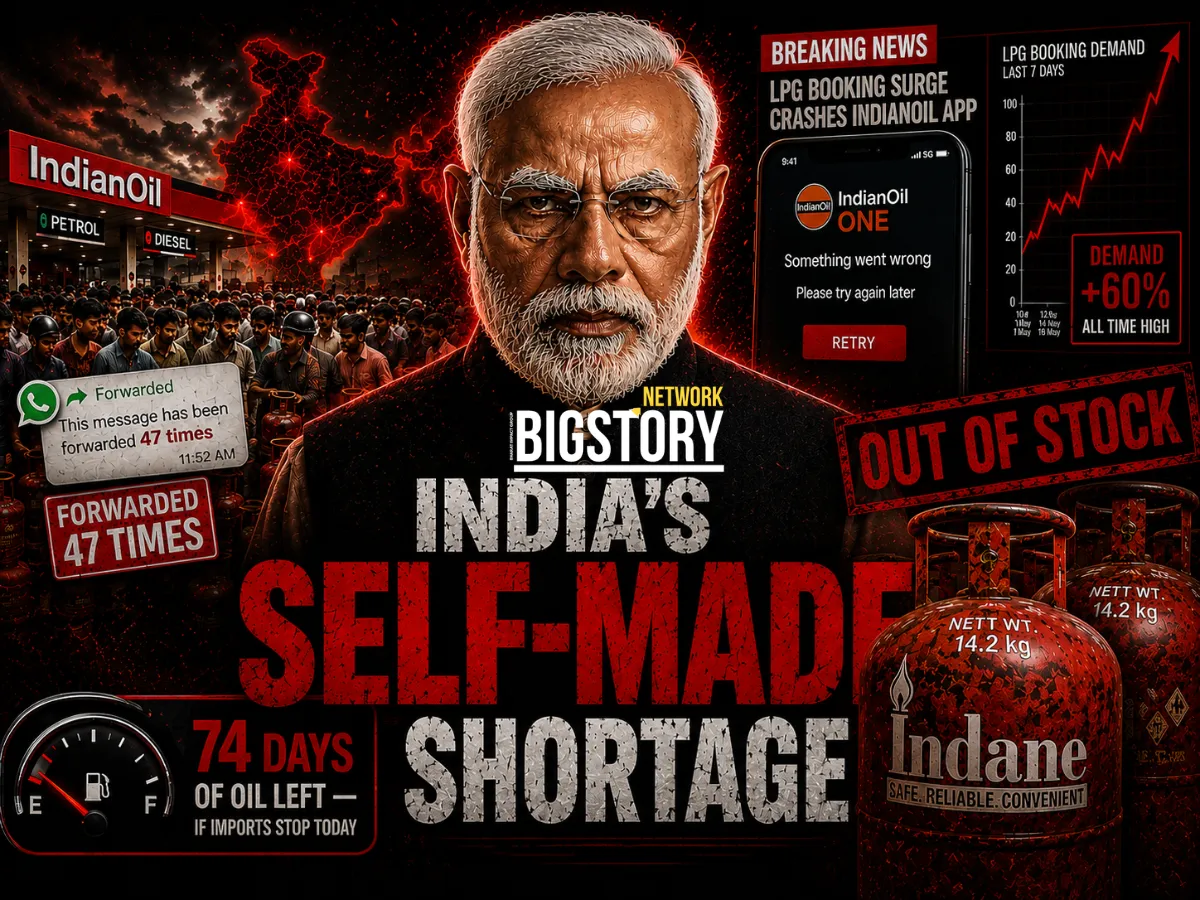
The actual cost of supplying a domestic LPG cylinder to an Indian household has now crossed ₹1,600. Even at the non-subsidized retail price of ₹942, state-owned oil marketing companies are forced to absorb a massive loss of approximately ₹700 per cylinder, rendering the previous subsidy framework fiscally unsustainable.
While mainstream economic coverage will evaluate this cut as a standard budgetary adjustment to balance oil marketing company losses, the "Missed Angle" here is how rapidly the opposition is weaponizing this administrative reduction to dismantle the central government's broader economic narrative.
Congress leader Sandeep Dikshit and other opposition voices have caustically renamed the PMUY the "Andhkaar Scheme" (Darkness Scheme). The political sting of this framing relies entirely on contrast. While the central government frequently highlights unprecedented macroeconomic growth and record infrastructure expansion, the opposition is using the LPG curtailment as tangible proof of a deteriorating grassroots economy.
By highlighting that previous administrations managed wider fuel subsidies under lower tax regimes, while the current administration is forcing cuts across LPG, petrol, diesel, and agricultural fertilizers, the opposition aims to convince voters that the state's welfare machinery is quietly buckling under the weight of external shocks. This strategy targets the core of the government's governance model, turning a technical energy cap into a high-stakes debate over the true financial health of the nation.
• Ministry of Petroleum and Natural Gas: Official Notifications, Ujjwala Yojana Portals, and Subsidy Directives
• The Hindu: National Bureau, Energy Economics, and Policy Realignment News
• The Economic Times: Commodity Markets, LPG Pricing, and Oil Marketing Company Reports
• NDTV: Live Updates on Price Revisions, Fuel Subsidies, and Opposition Protests
 Exclusive Content



Sign up for the Daily newsletter to get your biggest stories, handpicked for you each day.

 Trending Now! in last 24hrs